When cold water sends a sharp signal through a tooth, the issue may not be the tooth itself. It may be exposed root surface caused by receding gums. Laser treatment for gum recession can be a less invasive option for carefully selected patients, but it is not a one-size-fits-all replacement for every gum grafting procedure. A successful result starts with a precise diagnosis of why the gum tissue moved in the first place.
Gum recession can make teeth appear longer, create an uneven gumline, and expose root surfaces that are more vulnerable to sensitivity and decay. For patients in Durham, Raleigh, Morrisville, and throughout the Research Triangle, the goal is not simply to make the gums look better. It is to protect the tooth, preserve healthy tissue, and address the forces that could cause recession to continue.
What Causes Gum Recession?
Recession occurs when the gum margin pulls away from the crown of the tooth, exposing more of the root. Periodontal disease is a common cause, especially when inflammation has damaged the supporting bone and soft tissue. Yet recession can also develop in patients with otherwise healthy mouths.
Aggressive brushing, thin gum tissue, a naturally prominent tooth root, orthodontic movement, clenching or grinding, tobacco use, and poorly positioned restorations may all contribute. A high frenum attachment, the small band of tissue connecting the lip or cheek to the gums, can also place repeated tension on a vulnerable gumline.
That distinction matters. If active gum disease is present, treating the inflammation must come first. Repositioning tissue without controlling bacterial infection and bone loss can compromise the result. Similarly, if brushing technique or bite forces remain unaddressed, even successfully treated gums can recede again.
How Laser Treatment for Gum Recession Works
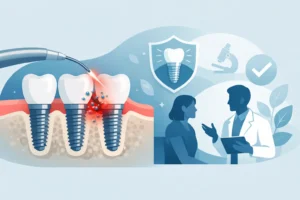
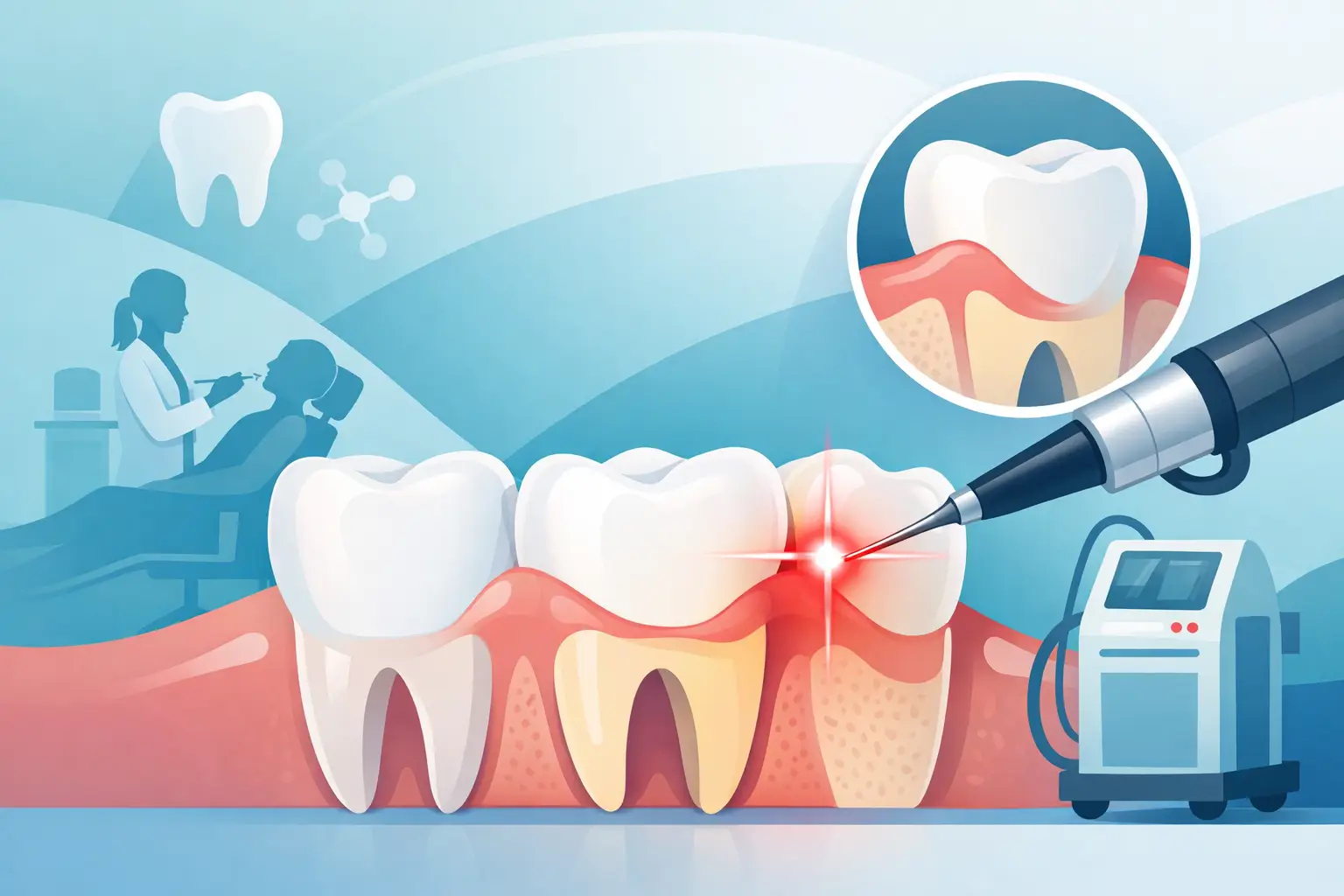
Laser-based recession treatment uses focused light energy to help release and reposition gum tissue with minimal disruption to surrounding areas. Depending on the clinical situation, the laser may be used to gently separate tissue, manage bleeding, and support a controlled healing environment as the gumline is moved to cover exposed root surfaces.
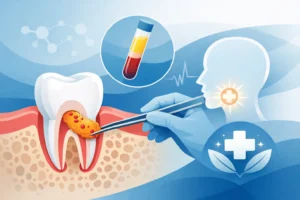
The treatment approach may be paired with a minimally invasive technique such as the Chao Pinhole Surgical Technique. Rather than creating large incisions or removing tissue from the palate, the periodontist makes a very small access point and carefully mobilizes the existing gum tissue over the exposed roots. In some cases, platelet-rich fibrin, or PRF, may be placed to support healing. PRF is created from a small sample of the patient’s own blood and concentrates platelets and growth factors in a fibrin matrix.
For the right patient, this approach can reduce the extent of surgical manipulation and may offer less bleeding and swelling than traditional methods. It can be particularly appealing when recession affects several teeth in the same area. However, laser technology is a clinical tool, not a guarantee of a particular outcome. The thickness of the tissue, the amount of lost bone between teeth, root position, and the cause of recession all influence what can be predictably achieved.
When a Gum Graft May Be the Better Choice
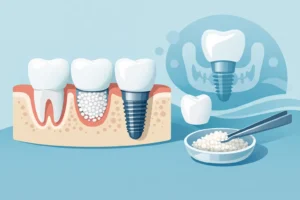
Traditional connective-tissue grafting remains a highly reliable treatment for many recession defects, particularly when the gum tissue is very thin or a tooth needs more substantial root coverage. In a grafting procedure, tissue from the palate or a donor source is placed at the recession site to thicken and reinforce the gumline.
A laser-assisted or pinhole approach may reposition existing tissue effectively, but it cannot always create the same increase in tissue thickness that a graft can provide. This is why an experienced periodontal evaluation is essential. The most conservative treatment is not automatically the least effective treatment, and the best option is the one that offers stable protection for the specific tooth over time.
In some situations, full root coverage is not realistic or even necessary. The treatment priority may be to reduce sensitivity, improve tissue thickness, stop progression, or create a healthier foundation around a tooth that will receive a restoration. A conscientious specialist should explain the expected degree of coverage before treatment begins rather than promising a cosmetic result that biology cannot support.
What to Expect During Treatment and Healing
Before recommending a procedure, a periodontist evaluates the gumline, bone levels, bite, tooth position, root anatomy, and signs of active periodontal disease. Digital imaging and detailed measurements help determine whether the recession is isolated or part of a broader periodontal concern.
Treatment is typically performed with local anesthesia. Patients may feel pressure or movement during the procedure but should remain comfortable. The length of the appointment depends on how many teeth are involved and whether additional regenerative materials are used.
Following treatment, patients are usually instructed to avoid brushing directly over the treated area for a prescribed period. A soft diet, careful oral hygiene instructions, and scheduled follow-up visits protect the tissue while it heals. Mild tenderness or swelling can occur, but many patients find recovery more manageable than they expected, especially with minimally invasive techniques.
Healing is not just about the first few days. Gum tissue continues to mature over several weeks and months. During that time, the care team monitors tissue position, inflammation, plaque control, and bite forces. Long-term stability depends on the quality of the initial procedure as well as the patient’s home care and periodontal maintenance.
Benefits Beyond a More Even Gumline
The visible improvement can be meaningful, especially in the smile zone. Yet the clinical benefits often matter more. Covering or protecting exposed roots can reduce sensitivity, make brushing more comfortable, and lower the risk of root decay. Strengthening thin tissue can also make the gumline more resilient against future irritation and mechanical trauma.
For patients who are considering dental implants or restorative treatment, healthy, stable soft tissue is equally valuable. Gum architecture affects how natural a restoration looks, how easily it can be cleaned, and how well the surrounding structures are protected. Meticulous soft-tissue planning is part of protecting a long-term dental investment.
Choosing a Specialist for Recession Correction
Gum recession treatment demands more than a laser device. It requires a periodontist who can determine whether the problem is inflammatory, structural, mechanical, or a combination of all three. The clinician should be able to explain why a laser-assisted approach, pinhole technique, graft, or nonsurgical periodontal therapy is being recommended for your individual condition.
At Periodontics and Dental Implants of North Carolina, treatment planning is built around that level of accountability. Advanced technology, including laser dentistry and regenerative options such as PRF, is used with a clear purpose: preserving healthy tissue and delivering durable, functional results without compromising on quality.
If your gums have begun to pull away from your teeth, do not wait for sensitivity or cosmetic concerns to become more severe. A specialist evaluation can identify what is driving the recession and provide a treatment plan designed to protect the smile you rely on every day.